What Is User-Owned Music, and Why It Matters in 2025
What Is User-Owned Music, and Why It Matters in 2025
Reclaiming your music, your data, and your listening identity.
The short answer
User-owned music means you control your music library, your data, and your listening experience. It’s a shift away from the closed, algorithm-driven platforms that quietly reshaped how we consume music – and a return to actual ownership.
From Streaming to Ownership: What Went Wrong
For more than a decade, digital music has been dominated by self-referential streaming services. While convenient, they come with real limitations:
- You don’t own the music – you rent access.
- If you cancel your subscription, your entire listening world vanishes.
- Playlists, favourites, tags, and listening history are effectively trapped within each platform as exports are partial or limited.
- Discovery is shaped by opaque algorithms prioritizing major-label releases.
Streaming made listening easy, but at the cost of autonomy, context, and connection. Music became a commodity: less authentic, impersonal and, as of late, AI generated.
What “User-Owned Music” Actually Means
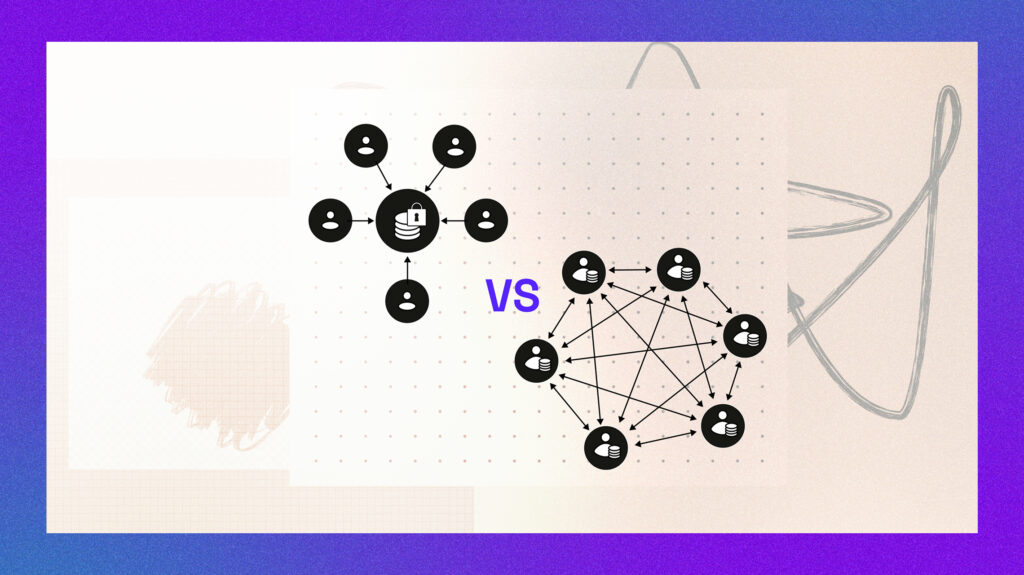
User-owned music reverses the streaming logic.
Instead of storing your library inside a single commercial platform, your collection lives:
- on your devices,
- in your private cloud (if you want),
- and in formats you can move, back up, and use freely.
A user-owned library is:
- Portable – it follows you across devices and decades.
- Searchable – with rich metadata you control.
- Permanent – not dependent on monthly fees.
- Interoperable – able to connect with multiple services, not locked to one.
It restores something streaming took away: your relationship with your own taste.
The Broader Shift Toward User-Owned Apps
This shift toward user-owned software isn’t unique to music. You can see it across the apps people rely on every day: Obsidian for local-first notes, BlueSky for portable social identities, Proton and Signal for private communication, and browsers like Firefox and Arc that put user control and transparency first. All of them reflect the same trend – data that lives with the user, not inside a closed platform.
The Rise of User-Owned Music Apps
A new wave of music tools is emerging – tools that treat listeners not as products but as owners.
These apps follow local-first principles:
- Your files, metadata, and history stay on your device.
- Syncing is optional and encrypted.
- No hidden data harvesting.
- No algorithmic manipulation of your library.
They embrace open protocols, import/export freedom, and interoperability. The goal isn’t scale – it’s sustainability and user autonomy.
This marks a shift toward a healthier, more ethical music ecosystem.
Where Crates Fits In
Crates is built around these principles from the ground up. It brings together your entire music world – including:
- Bandcamp purchases
- Discogs collections
- YouTube playlists
- Spotify and Apple Music likes
- SoundCloud favorites
- Local files and downloads
All inside one private, user-owned library.
In Crates your data never leaves your device unless you choose to sync or share. You can browse, organize, tag, and rediscover your music across sources and use the app as an archival tool of your entire taste history. Crates works like a bridge between worlds – letting you browse, organize, and rediscover everything you already own or love.
Why Ownership Matters More Than Ever
Owning your digital music is not just about holding files – it’s about holding meaning.
When you own your data and your library:
- Your listening history becomes part of your identity.
- Your curation becomes creative again.
- Your purchases directly support artists, labels, and record shops.
- You gain freedom from algorithmic influence.
- You control how your music is backed up, organized, and used.
For artists and independent labels, user-owned ecosystems are healthier: they reward direct support, not engagement metrics.
The Future: A Connected, Fairer Music Ecosystem
As more listeners shift toward user-owned models, a new landscape begins to take shape:
- decentralized discovery instead of opaque recommendation engines
- community curation, not engagement-driven playlists
- independent artist support through direct purchases
- sustainable digital collecting
- ethical, privacy-first music tools
Crates is part of this move – not as a replacement for streaming, but as a balance to it. A way to reconnect with the music you already love, while building a healthier relationship with digital culture.
Reclaim Your Music
Crates helps listeners rebuild their libraries on their own terms. Learn more at crates.app and start your shift toward a user-owned music future.